
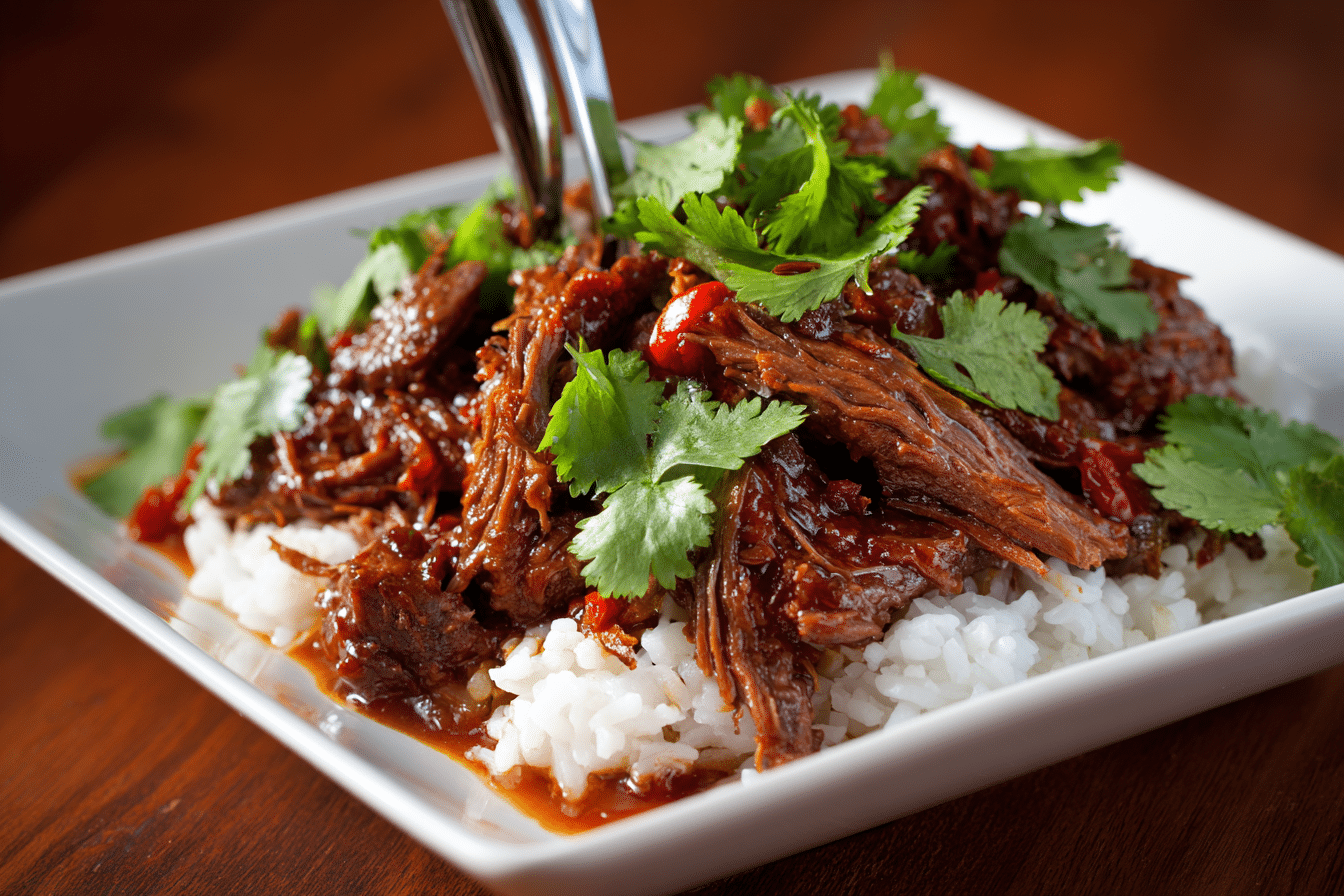
Korean Pot Roast brings together the heartiness of classic pot roast and the bold, savory-sweet flavors of Korean cuisine. This dish takes tender, slow-cooked beef and infuses it with garlic, soy sauce, sesame oil, ginger, and gochujang, resulting in melt-in-your-mouth meat with a rich umami depth and gentle heat.
This isn’t just a twist on a comfort food favorite — it’s a fusion that feels cozy, exciting, and deeply satisfying. Whether you’re serving it with fluffy rice or tucked into lettuce wraps with pickled vegetables, Korean Pot Roast is a dish that transforms an everyday dinner into something truly special.
Inspired by Korean galbi-jjim (braised short ribs) and American-style chuck roast, this recipe offers a slow-braised one-pot wonder that’s ideal for cold evenings, weekend gatherings, or meal prep for the week ahead.
Ingredients Overview
Beef Chuck Roast
A marbled, well-muscled cut like chuck roast is perfect for braising. The connective tissue breaks down over time, turning the beef incredibly tender. You can also use brisket or boneless short ribs for a richer texture.
Tip: Trim excess fat but leave some for flavor. For leaner options, try eye of round, but adjust cook time to prevent dryness.
Gochujang (Korean Chili Paste)
This fermented chili paste adds complexity, heat, and a hint of sweetness. It’s a cornerstone of Korean flavor and pairs beautifully with beef.
Substitution: If you can’t find gochujang, mix miso paste with a dash of Sriracha and honey.
Soy Sauce
The base of the braising liquid. Choose low-sodium to keep the salt level in check, as the sauce reduces during cooking.
Sesame Oil
Toasted sesame oil adds deep, nutty notes. A small amount goes a long way — don’t skip it.
Garlic and Ginger
Fresh garlic and ginger provide aromatic intensity. Slice rather than mince for a more mellow infusion during the long braise.
Brown Sugar or Asian Pear
A touch of sweetness balances the heat. Brown sugar is traditional, but grated Asian pear (or apple) offers a more natural sweetener and helps tenderize the meat.
Vegetables
Classic additions like carrots, daikon radish, and onion absorb the flavorful broth and round out the dish. Yukon gold or red potatoes are optional but great for a one-pot meal.
Optional Garnishes
-
Sliced green onions
-
Toasted sesame seeds
-
Fresh cilantro or perilla leaves
-
Quick-pickled cucumbers or kimchi for contrast
Step-by-Step Instructions
-
Prep the Meat
Pat the beef roast dry and season it generously with salt and pepper. Searing is optional but recommended — it builds flavor and locks in moisture.
-
Sear for Flavor
In a Dutch oven or heavy pot, heat oil over medium-high. Sear the beef on all sides until browned, about 3–4 minutes per side. Remove and set aside.
-
Sauté Aromatics
In the same pot, add more oil if needed. Sauté sliced onions until softened and lightly golden. Stir in garlic and ginger, cooking until fragrant — about 1 minute.
-
Build the Sauce
Pour in soy sauce, water or beef broth, sesame oil, brown sugar (or grated pear), and gochujang. Stir to combine. Taste and adjust — it should be savory, sweet, and a bit spicy.
-
Add Vegetables and Beef
Layer carrots, daikon, and potatoes (if using) into the pot. Nestle the seared beef back in. The liquid should come halfway up the meat — add more broth if needed.
-
Low and Slow Cooking
Cover and cook on low heat for 3 to 3.5 hours on the stovetop, or in a 300°F oven. Alternatively, use a slow cooker on LOW for 7–8 hours. The beef should be fork-tender and nearly falling apart.
-
Reduce the Sauce (Optional)
Once cooked, remove the beef and veggies. Simmer the braising liquid uncovered for 10–15 minutes to thicken into a glossy sauce.
-
Slice or Shred
Cut the beef into thick slices or shred it gently with forks. Return it to the pot and spoon the sauce over.
-
Garnish and Serve
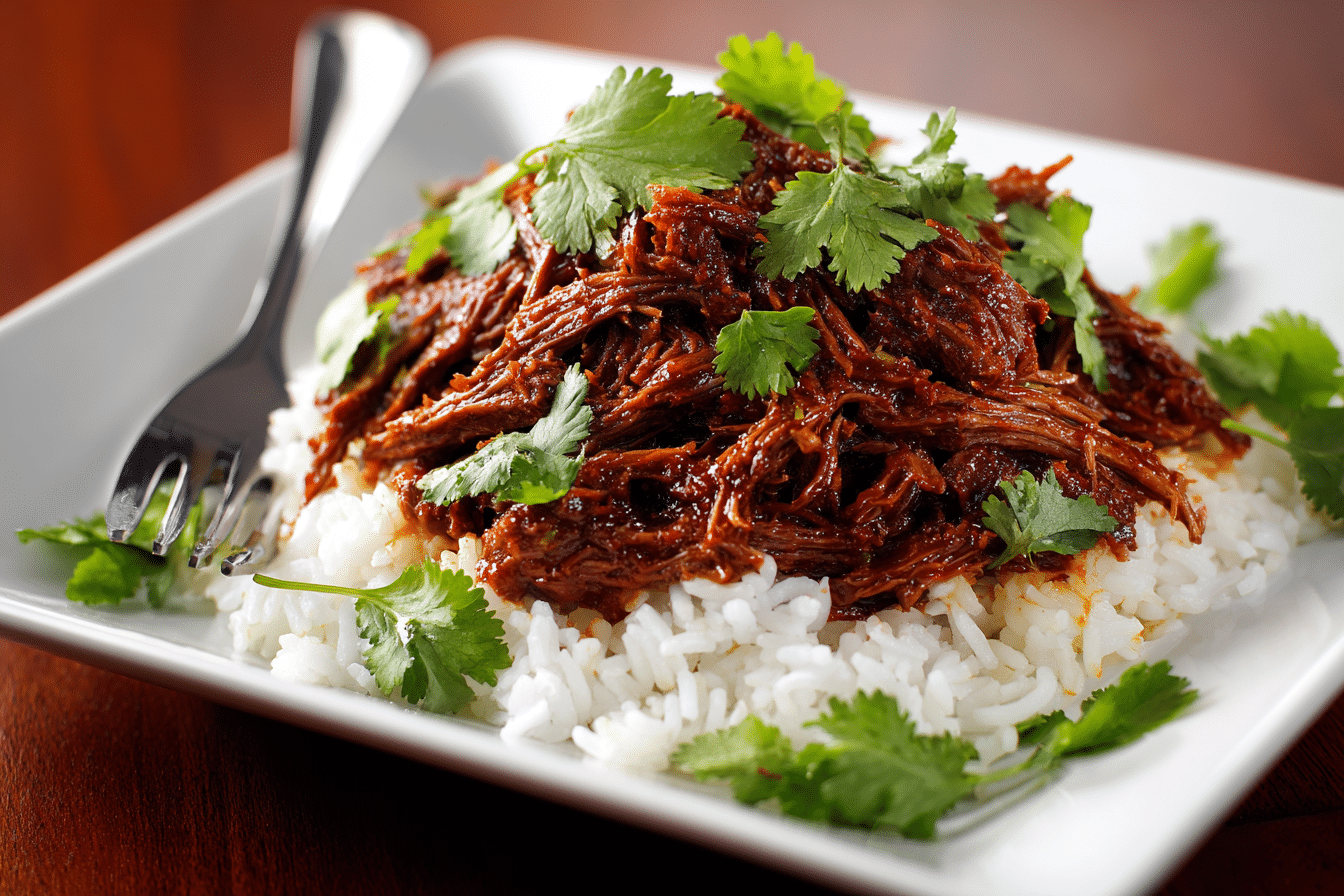
Sprinkle with scallions and sesame seeds. Serve hot with steamed rice, lettuce wraps, or even mashed potatoes for a cross-cultural twist.
Tips, Variations & Substitutions
-
Slow Cooker Tip: Brown the meat and aromatics before transferring everything to the slow cooker. It adds depth that you’ll miss if skipped.
-
Spicy Variation: Add Korean chili flakes (gochugaru) for more heat, or increase gochujang by 1–2 tablespoons.
-
Vegetarian Version: Use portobello mushrooms or jackfruit in place of beef. Use vegetable broth and omit fish sauce if used.
-
Low-Carb Option: Skip the carrots and potatoes; instead, serve with sautéed cabbage or cauliflower rice.
-
Gluten-Free Adaptation: Use tamari or coconut aminos in place of soy sauce, and ensure gochujang is gluten-free (check the label!).
-
Instant Pot Method: Use the “Sauté” function for browning, then pressure cook on HIGH for 60–70 minutes. Natural release.
Serving Ideas & Occasions
Korean Pot Roast shines as the centerpiece of a hearty dinner spread. Serve it over jasmine or sticky rice, or pile into lettuce cups with a spoonful of sauce for a light, hand-held meal.
For a fun variation, serve it with:
-
Kimchi fried rice
-
Korean potato salad
-
Cucumber salad (oi muchim)
-
Quick pickles and radish kimchi
Perfect for:
-
Cozy winter nights
-
Family dinners or Sunday suppers
-
Lunar New Year gatherings
-
Meal prep — it reheats beautifully and tastes better the next day
Nutritional & Health Notes
This dish offers a balance of protein, healthy fats, and vegetables — especially if served with steamed greens or pickled sides.
Chuck roast provides high-quality protein and iron, though it’s higher in fat. To reduce calories, skim fat from the top of the sauce after cooking, or use a leaner cut.
By using lower-sodium soy sauce and adjusting sweetness, you can control sodium and sugar levels. Gochujang, while flavorful, can also be high in sodium, so moderation is key.
Vegetable-heavy variations make this dish nutrient-dense and colorful. For a lighter meal, serve it in lettuce wraps with rice vinegar–marinated veggies.
FAQs
Q1: Can I make Korean Pot Roast in advance?
Yes. This dish actually tastes better the next day as the flavors deepen. Store in an airtight container for up to 4 days, and reheat gently on the stovetop or in the microwave.
Q2: Is gochujang very spicy?
Gochujang has a moderate, lingering heat. It’s more about depth and umami than spiciness. You can adjust the quantity based on your preference, or blend with a little honey to soften the edge.
Q3: Can I freeze Korean Pot Roast?
Absolutely. Let the pot roast cool completely, then portion into freezer-safe bags or containers. It will keep well for up to 3 months. Thaw overnight in the fridge and reheat gently.
Q4: What cut of beef is best for this recipe?
Chuck roast is ideal due to its fat content and connective tissue, which breaks down beautifully during braising. Brisket or boneless short ribs are excellent too, though slightly richer.
Q5: What can I serve with Korean Pot Roast besides rice?
Try mashed potatoes, glass noodles (japchae), buttered rolls, or even creamy polenta. For lighter fare, pair with crisp Asian slaw or sesame cucumber salad.
Q6: Can I make it less sweet?
Yes. Start with half the amount of brown sugar or pear and taste the sauce before adding more. You can also use a sugar alternative or omit it entirely for a more savory result.
Q7: Is there a way to make this recipe in an Instant Pot?
Yes. Sear the meat using the Sauté function, then pressure cook everything for 60–70 minutes on HIGH. Let the pressure release naturally. You can thicken the sauce afterward using the Sauté function.
Korean Pot Roast – A Flavor-Packed, Comforting Dinner
This Korean Pot Roast blends slow-braised chuck roast with soy, garlic, sesame, and gochujang for a savory-sweet, tender dish perfect for cozy dinners or gatherings.
Ingredients
-
3–4 lb beef chuck roast
-
1 tbsp neutral oil (canola or vegetable)
-
1 large onion, sliced
-
4 garlic cloves, sliced
-
1 tbsp fresh ginger, sliced
-
3 tbsp soy sauce (low-sodium)
-
1.5 tbsp gochujang
-
1 tbsp brown sugar or grated Asian pear
-
1 tbsp toasted sesame oil
-
1.5 cups beef broth or water
-
2 carrots, cut into chunks
-
1 daikon radish, cut into chunks (or 3 small potatoes)
-
Salt and pepper, to taste
-
Garnishes: green onions, sesame seeds
Instructions
-
Pat roast dry, season with salt and pepper.
-
Heat oil in a Dutch oven; sear beef on all sides. Remove and set aside.
-
In the same pot, sauté onions until golden. Add garlic and ginger; cook until fragrant.
-
Stir in soy sauce, gochujang, brown sugar or pear, sesame oil, and broth.
-
Add carrots and daikon. Return beef to pot.
-
Cover and simmer on low for 3–3.5 hours (or bake at 300°F).
-
Remove beef and veggies. Simmer sauce to reduce, if desired.
-
Slice or shred beef, return to pot, spoon sauce over top.
-
Garnish and serve.
Notes
For extra heat, add gochugaru. Can be made in a slow cooker or Instant Pot. Freezes well. Serve with rice, lettuce wraps, or mashed potatoes.