
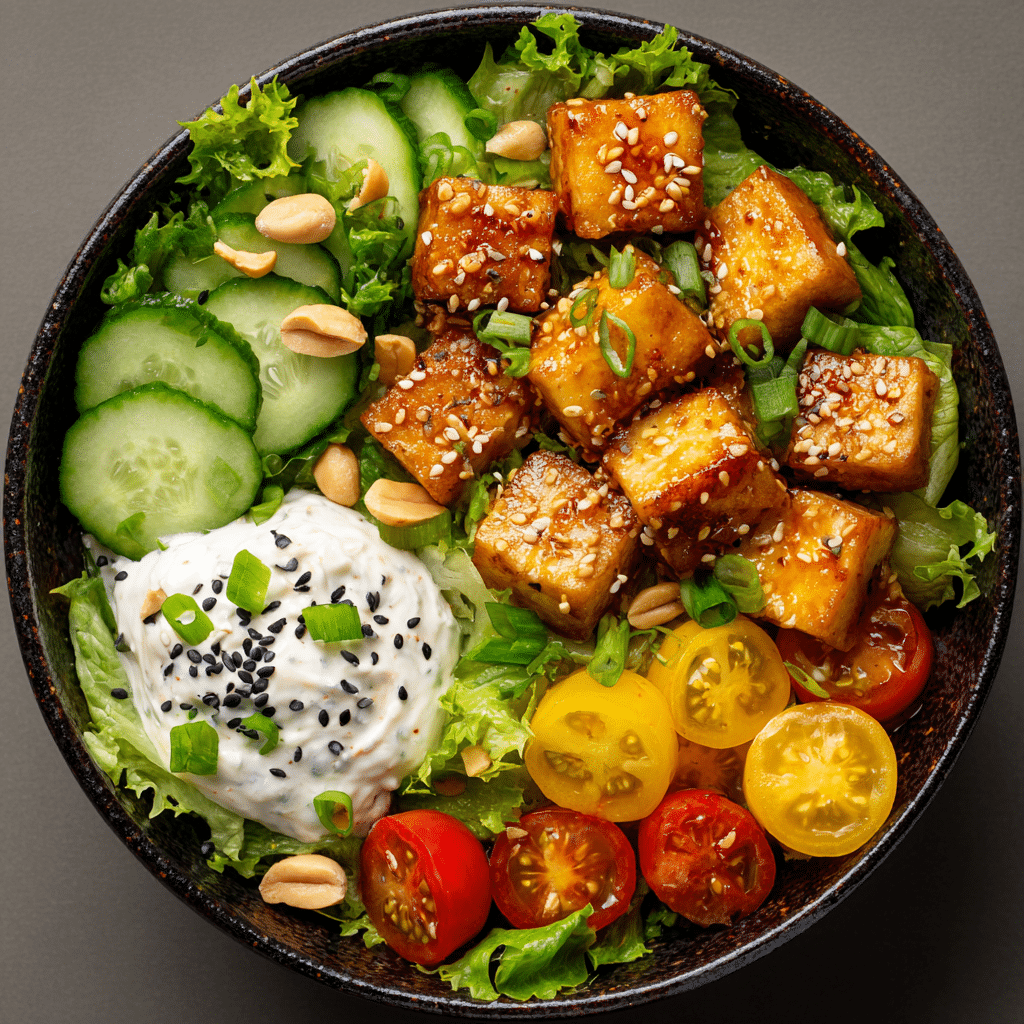
Salads aren’t just side dishes anymore — they can be hearty, nourishing meals that satisfy your cravings and fuel your day. Energizing High Protein Salads combine vibrant vegetables, lean proteins, whole grains, and bold dressings into colorful bowls that are as beautiful as they are balanced.
Whether you’re looking to build muscle, support weight loss, or simply enjoy a wholesome lunch, these salads are built to keep you full and energized for hours. From grilled chicken and salmon to chickpeas, quinoa, and tofu, there’s a protein-packed salad for every taste and dietary need.
These aren’t your average limp lettuce lunches — they’re packed with texture, flavor, and satisfying protein to keep your energy up and your plate exciting.
Ingredients Overview
Here’s a breakdown of the key ingredients commonly used in high protein salads, along with their roles and options:
1. Protein Sources
-
Grilled Chicken Breast: A lean and versatile option that pairs well with nearly any dressing.
-
Salmon or Tuna: Packed with heart-healthy omega-3s and rich flavor.
-
Boiled Eggs: A budget-friendly, protein-rich addition that adds creaminess.
-
Tofu or Tempeh: Great for plant-based diets; absorbs marinades and dressings beautifully.
-
Chickpeas or Lentils: Fiber-rich legumes that add a nutty flavor and chewy texture.
-
Quinoa: A complete protein and grain in one, with a fluffy texture and mild taste.
-
Edamame: Young soybeans that are quick to cook and fun to eat.
2. Greens & Base
-
Spinach: Mild flavor, iron-rich, and great with fruit-based dressings.
-
Kale: Slightly bitter and hearty — massage it with lemon juice or oil to tenderize.
-
Mixed Baby Greens: Light and fresh, perfect for delicate toppings.
-
Arugula: Peppery bite that complements savory dressings and roasted veggies.
-
Cabbage or Slaw Mix: Adds crunch and volume.
3. Toppings & Mix-ins
-
Avocado: Creamy texture and healthy fats that improve satiety.
-
Nuts & Seeds: Almonds, walnuts, pumpkin seeds, and sunflower seeds add crunch and extra protein.
-
Roasted Veggies: Sweet potatoes, zucchini, or bell peppers lend a smoky flavor and depth.
-
Fresh Herbs: Basil, cilantro, dill, or mint add bursts of freshness.
-
Fruits: Apples, berries, grapes, or oranges bring natural sweetness and contrast.
4. Dressings
-
Tahini-Lemon: Nutty and creamy with citrus brightness.
-
Greek Yogurt-Based: High in protein, creamy, and tangy.
-
Olive Oil + Vinegar: A classic combo that lets the ingredients shine.
-
Miso-Ginger: Great for tofu or Asian-inspired bowls.
-
Honey Mustard: Tangy and sweet — great with chicken or quinoa.
Step-by-Step Instructions
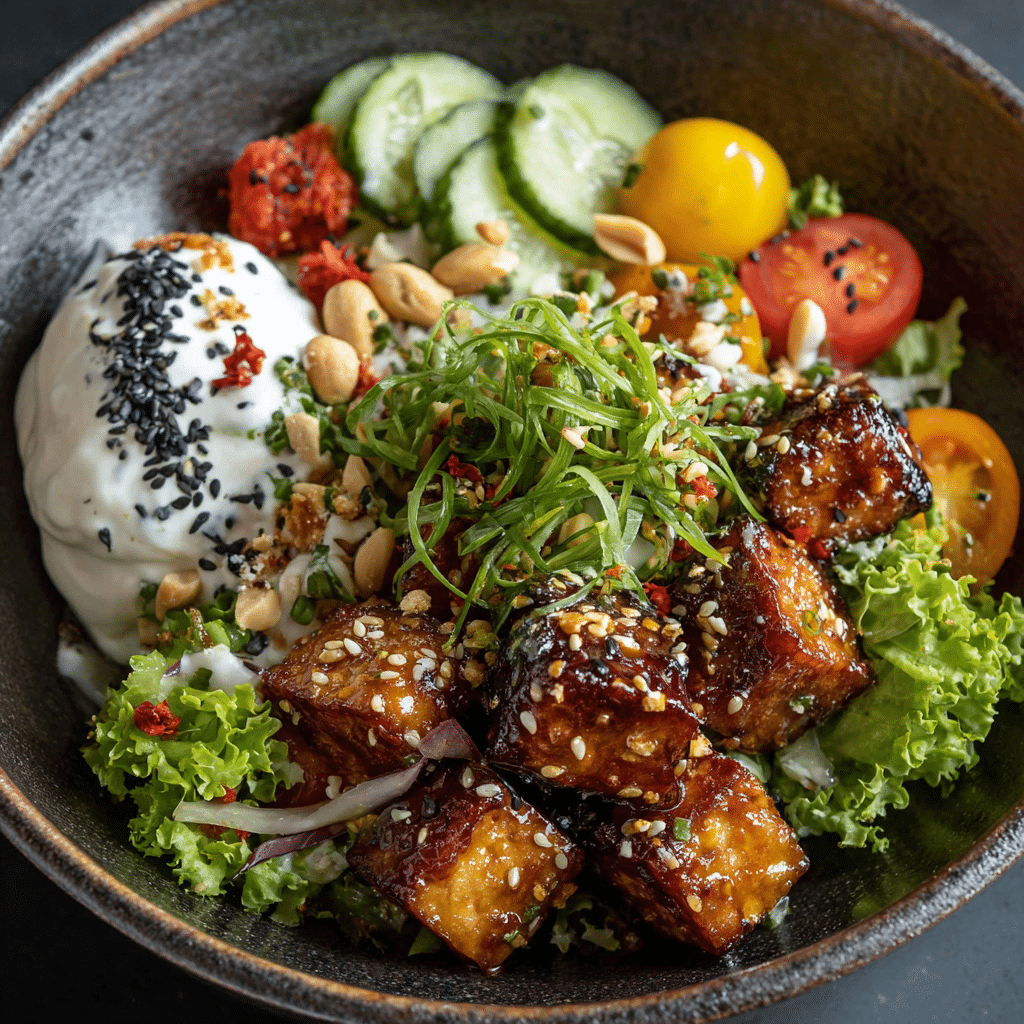
Building a high protein salad is about layering textures and flavors. Here’s a simple guide to creating a satisfying bowl:
1. Choose Your Base
Start with 2–3 cups of leafy greens or hearty grains. A mix of spinach and arugula or quinoa and kale creates contrast in both flavor and bite.
2. Add Protein
Add 4–6 ounces of your chosen protein source. Cooked chicken, roasted tofu, grilled shrimp, hard-boiled eggs, or canned beans are all fast and easy.
-
For tofu: Press for 10 minutes, cube, season, and air fry or pan-sear until golden.
-
For chicken: Season with herbs and grill or roast until cooked through and juicy.
3. Add Crunch & Color
Incorporate colorful vegetables like cherry tomatoes, cucumbers, red cabbage, or shredded carrots. These add water content, vitamins, and visual appeal.
4. Toss in Flavor Bombs
Add about 2–3 tablespoons of crunchy toppings: roasted seeds, chopped nuts, or even toasted chickpeas.
Add sliced avocado, fresh herbs, or crumbled feta for creamy, salty notes.
5. Drizzle the Dressing
Pour over 2 tablespoons of your dressing of choice and toss to coat. If using grains like quinoa or farro, toss them in dressing while warm so they absorb more flavor.
6. Serve Immediately or Meal Prep
Enjoy fresh or store in airtight containers for up to 4 days. Keep dressing separate for longer storage.
Tips, Variations & Substitutions
Tips for Better Salads:
-
Dry greens thoroughly: Wet leaves make for soggy, diluted salads.
-
Use warm elements: Warm roasted veggies or grilled proteins enhance flavor.
-
Salt your base: A pinch of salt on the greens before dressing brings out flavor.
Flavor Variations:
-
Mediterranean: Chicken, cherry tomatoes, cucumbers, olives, feta, lemon-oregano dressing.
-
Southwest: Black beans, corn, avocado, grilled chicken or tofu, lime-cilantro dressing.
-
Asian-Inspired: Edamame, carrots, red cabbage, sesame seeds, miso-ginger dressing.
-
Nicoise-style: Tuna, green beans, potatoes, olives, boiled egg, Dijon vinaigrette.
-
Grain Bowl: Quinoa base with lentils, roasted squash, tahini dressing.
Substitutions:
-
Swap chicken for tempeh or smoked tofu.
-
Use hemp hearts or chia seeds for added protein.
-
For dairy-free, use nut-based dressings instead of yogurt-based ones.
-
Swap greens with cooked farro or barley for a warm salad.
Serving Ideas & Occasions
High protein salads are incredibly versatile. Here’s how to enjoy them:
-
Post-workout lunch: Replenish muscle glycogen with a balance of carbs and protein.
-
Work-from-home meal prep: Easy to prep ahead in jars or containers.
-
Picnic-ready: Transport well for outdoor lunches, especially when kept cold.
-
Light dinner: Satisfying enough for a standalone evening meal.
-
Entertaining: Serve as a build-your-own salad bar with different toppings and proteins.
Pair them with:
-
Whole grain bread or pita
-
Sparkling water with citrus
-
A cup of lentil soup on cold days
Nutritional & Health Notes
High protein salads are designed to deliver macronutrient balance in one bowl. Here’s what makes them so effective:
-
Protein: Helps repair muscles, increase satiety, and reduce cravings.
-
Fiber: Found in greens, legumes, and grains, supports digestion and fullness.
-
Healthy fats: Avocados, nuts, and seeds boost absorption of fat-soluble vitamins.
-
Low glycemic: Keeps blood sugar stable, especially with whole grains and legumes.
A typical high protein salad can range from 20–35g of protein per serving, depending on the protein source used.
For clean eating:
-
Avoid creamy bottled dressings with added sugar.
-
Opt for lean protein and healthy oils.
-
Watch portion sizes on high-calorie toppings like nuts or cheese.
FAQs
Q1: What’s the best protein for meal prep salads?
A1: Grilled chicken, canned tuna, boiled eggs, roasted chickpeas, and baked tofu hold up well for 3–4 days in the fridge. Store dressings separately for maximum freshness.
Q2: Can I make a high protein vegan salad?
A2: Absolutely. Use quinoa, lentils, chickpeas, tofu, or tempeh. Add seeds like hemp or sunflower for extra protein. Plant-based yogurt dressings or tahini work great for creaminess.
Q3: How do I keep salad greens from getting soggy?
A3: Dry them completely after washing using a salad spinner. Store them in airtight containers with a paper towel to absorb moisture. Add dressing only just before eating.
Q4: Can I freeze high protein salads?
A4: Not recommended. Most salad greens and fresh toppings don’t freeze well. Instead, freeze cooked proteins or grains separately, then assemble salads fresh.
Q5: How much protein should a salad have?
A5: Aim for 20–30g of protein per serving for a meal-sized salad. That’s about 4–6 oz of lean meat, 1 cup of cooked lentils, or 1 cup of quinoa plus seeds or nuts.
Q6: What dressings are high in protein?
A6: Greek yogurt-based dressings, tahini sauces, or hummus-based dressings can contribute 2–6g of protein per serving. You can also blend in cottage cheese or silken tofu for a protein boost.
Q7: Can I use canned beans in high protein salads?
A7: Yes! Canned chickpeas, black beans, or white beans are excellent sources of protein and fiber. Just rinse them well and season before adding.