
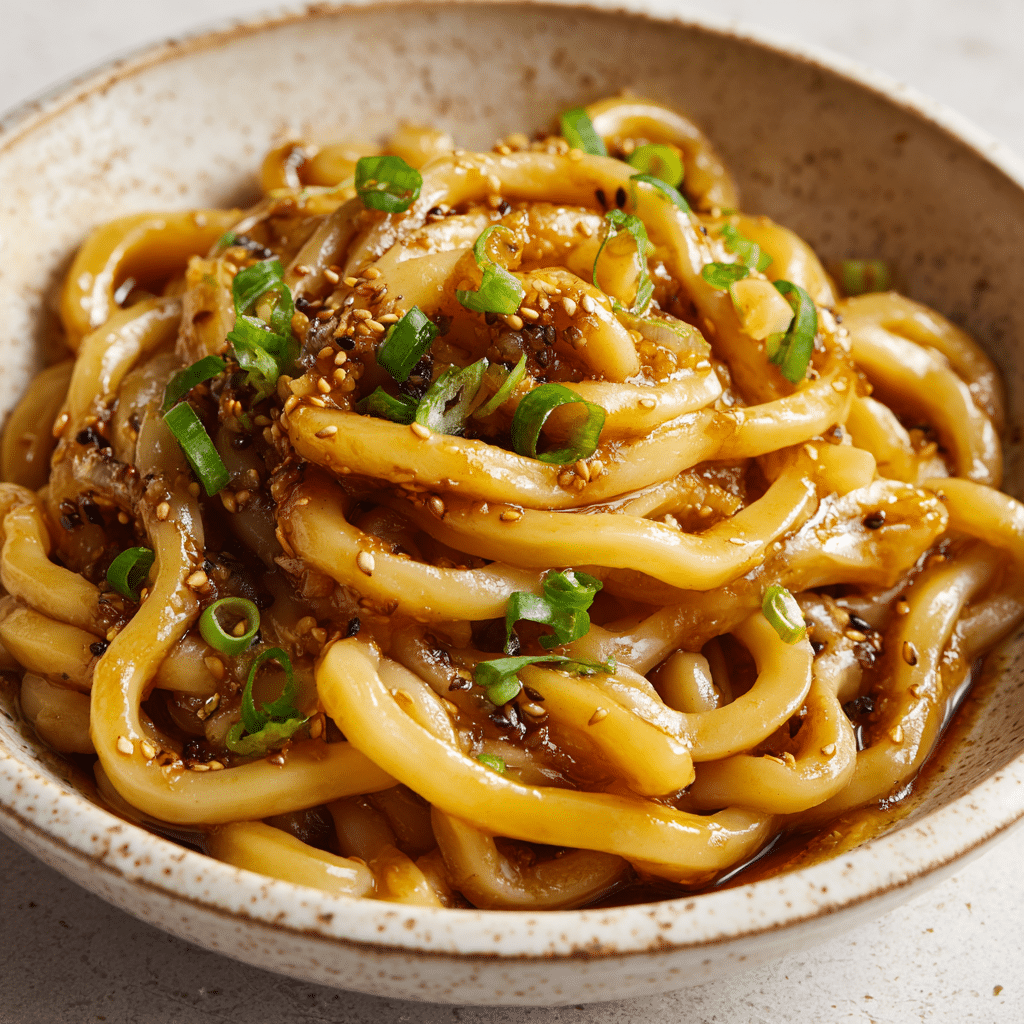
Easy Potato Noodles are a wonderfully chewy, savory, and satisfying alternative to traditional wheat-based noodles. Whether you’re making them from scratch or using pre-made versions like Korean gamja garu noodles or Chinese-style potato starch noodles, this dish offers a naturally gluten-free, hearty experience that’s both fun to cook and delicious to eat.
These noodles are especially popular in Korean and Chinese cuisines, where they’re often stir-fried, used in soups, or paired with spicy sauces. With a springy, bouncy texture and neutral taste, they absorb bold flavors beautifully — making them the perfect canvas for soy, garlic, sesame, and chili-based sauces.
Great for weeknight meals or cozy weekend lunches, potato noodles can be customized to fit any dietary need, and they’re always crowd-pleasers.
Ingredients Overview
Potato noodles can be made from just a few simple ingredients or purchased pre-made. Here’s what you’ll need and how each ingredient works in the dish.
1. Potato Starch Noodles (Store-Bought or Homemade)
-
Korean sweet potato noodles (dangmyeon): Translucent and glassy when cooked, great for stir-fries and soups.
-
Homemade version: Made from mashed potatoes and flour or from potato starch and hot water — chewier and rustic.
Homemade Dough Version Ingredients:
-
Mashed potatoes (starchy variety like Russets)
-
Potato starch or cornstarch
-
Salt
These noodles are bouncy, tender, and slightly chewy when done right.
2. Vegetables (Optional but Recommended)
-
Carrots, bell peppers, cabbage: Add crunch, color, and sweetness.
-
Spinach or bok choy: Offers softness and greens to balance the carbs.
-
Green onions and garlic: Key for flavor in stir-fries and sauces.
Use what you have — these noodles pair well with nearly any vegetable.
3. Sauce Components
-
Soy sauce or tamari: For savory depth.
-
Sesame oil: Adds rich nuttiness.
-
Garlic & ginger: Build aromatic base flavors.
-
Chili flakes or gochujang (Korean chili paste): Optional heat.
-
Sugar or honey: A small touch balances the salt.
4. Protein Add-Ins (Optional)
-
Tofu, egg, or shredded chicken: Completes the meal and adds texture.
-
Vegan? Stick with tofu or edamame for plant-based protein.
Step-by-Step Instructions
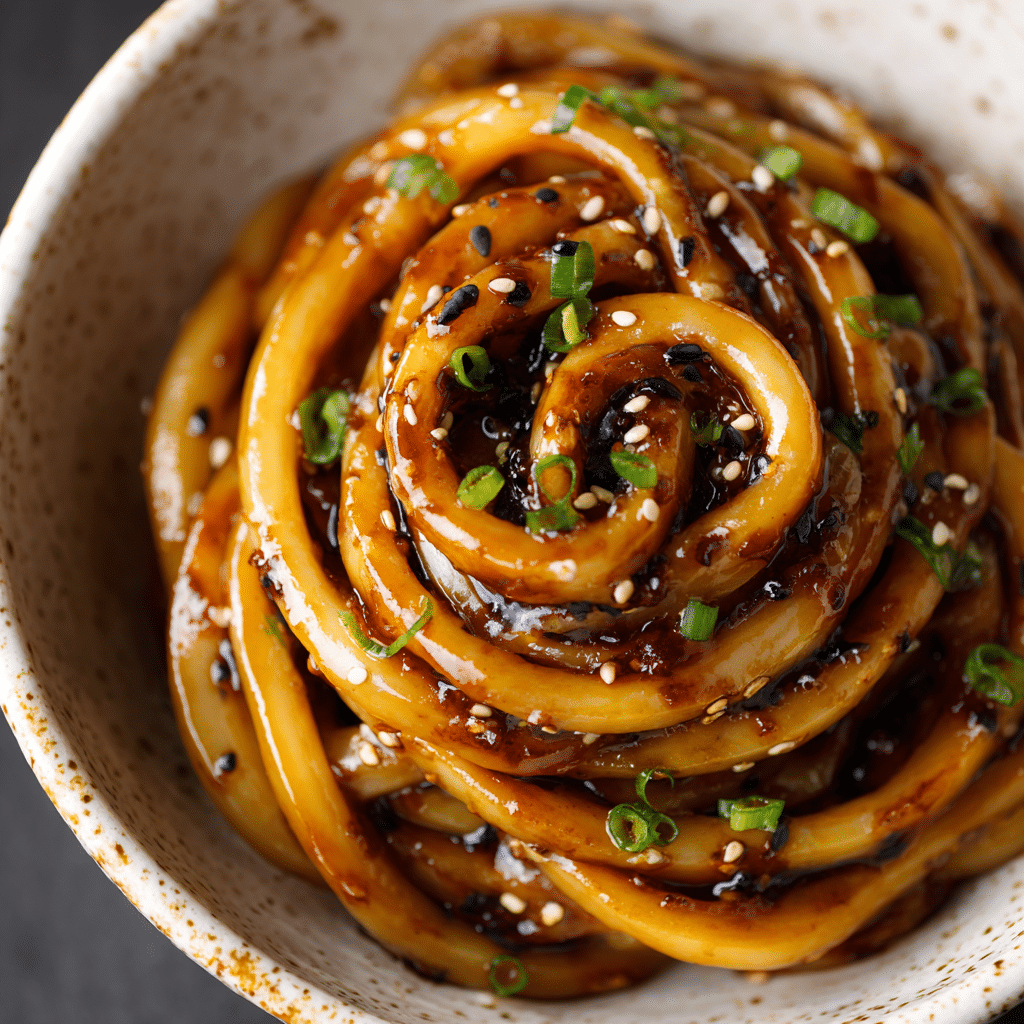
Choose your preferred method — homemade or using store-bought potato noodles.
A. Using Store-Bought Sweet Potato Noodles
1. Soak or Boil the Noodles
Follow package instructions. Typically:
-
Boil in water for 6–8 minutes until translucent and soft but chewy.
-
Rinse in cold water to stop cooking and remove excess starch.
2. Prepare the Sauce
In a bowl, mix:
-
2 tbsp soy sauce
-
1 tsp sesame oil
-
1 tsp sugar
-
1 clove garlic, minced
-
Optional: ½ tsp gochujang or chili flakes
Set aside.
3. Stir-Fry Veggies
Heat oil in a pan or wok. Sauté garlic and ginger, then add sliced veggies. Cook until just tender but still colorful (about 4–5 minutes).
4. Combine Everything
Add cooked noodles to the skillet. Pour in sauce and toss everything together with tongs. Stir-fry for 1–2 more minutes until evenly coated and glossy.
Top with chopped green onions, sesame seeds, or a soft-boiled egg if desired.
B. Homemade Potato Noodles from Scratch
Ingredients:
-
1½ cups mashed potatoes (still warm)
-
½ cup potato starch (plus extra as needed)
-
½ tsp salt
1. Make the Dough
Combine mashed potatoes, salt, and starch. Mix and knead into a smooth, non-sticky dough. Add more starch if too wet.
2. Shape the Noodles
Roll out the dough on a floured surface to about ¼ inch thick. Cut into thin strips using a sharp knife or pasta cutter.
Or, roll into long ropes and cut into 3–4 inch lengths for rustic hand-pulled noodles.
3. Boil the Noodles
Bring salted water to a gentle boil. Drop noodles in and cook for 2–3 minutes until they float and are tender with a chewy bite. Drain and rinse in cold water.
4. Sauté or Toss with Sauce
Toss immediately in your favorite sauce or stir-fry with veggies and seasonings as described above.
Tips, Variations & Substitutions
Cooking Tips
-
Don’t overcook noodles: Whether store-bought or homemade, they turn gummy if overboiled.
-
For extra chew: Rinse cooked noodles in cold water and briefly stir-fry afterward.
-
Prep ahead: Dough can be made and refrigerated for up to 24 hours.
Flavor Variations
-
Spicy Garlic Noodles: Add chili crisp or a dash of Sriracha to your sauce.
-
Savory Sesame Soy: Add more sesame oil and a sprinkle of roasted sesame seeds.
-
Creamy Fusion: Toss with peanut butter, soy, lime juice, and honey for a Thai-inspired twist.
Dietary Substitutions
-
Gluten-free: Stick with tamari instead of regular soy sauce.
-
Vegan: Use maple syrup or agave in place of honey.
-
Low-sodium: Opt for low-sodium soy sauce and increase herbs or aromatics like garlic and scallion.
Serving Ideas & Occasions
Potato noodles are versatile enough for casual lunches or dressed-up dinners. Here’s how to serve them:
-
As a main dish: With stir-fried veggies and tofu or eggs.
-
In a soup: Add to hot broth with greens, mushrooms, and scallions.
-
On the side: Serve alongside grilled meats, dumplings, or Korean BBQ.
-
Cold: These noodles hold up well in cold sesame or soy-based noodle salads.
Serve with pickled vegetables or kimchi for a refreshing contrast.
Nutritional & Health Notes
Potato noodles are naturally gluten-free, making them an excellent option for those with gluten intolerance or celiac disease. They’re lower in protein than wheat noodles, so adding tofu, egg, or legumes can help make the meal more balanced.
Compared to rice noodles, they tend to have a chewier texture and slightly higher starch content. The addition of vegetables and lean proteins can turn this into a high-fiber, nutrient-dense meal.
Olive oil or sesame oil provides healthy fats, and adding garlic or ginger brings natural anti-inflammatory benefits.
FAQs
Q1: Can I freeze homemade potato noodles?
Yes, freeze them uncooked. Dust with starch to prevent sticking and store in a single layer in a freezer-safe bag. Boil from frozen when ready to use.
Q2: Are sweet potato noodles the same as regular potato noodles?
They’re similar but made from different starches. Sweet potato noodles are translucent and springy, while regular potato starch noodles are softer and more opaque.
Q3: How do I prevent homemade dough from sticking?
Work on a well-floured (with starch) surface. Add starch gradually while kneading until dough is no longer sticky.
Q4: Can I make this dish oil-free?
Yes, use water or low-sodium vegetable broth to sauté vegetables, and skip the sesame oil in the sauce — though you’ll lose a bit of richness.
Q5: What do potato noodles taste like?
They’re neutral in flavor but have a delightful chewy texture that absorbs sauces well. The sauce is what gives the dish its personality.
Q6: How long do leftovers last?
Store in an airtight container in the fridge for up to 3 days. Reheat gently in a skillet or microwave with a splash of water to loosen.
Q7: What sauces go best with potato noodles?
Soy-based sauces, garlic sesame, gochujang, chili oil, or even creamy peanut or tahini dressings work beautifully.