
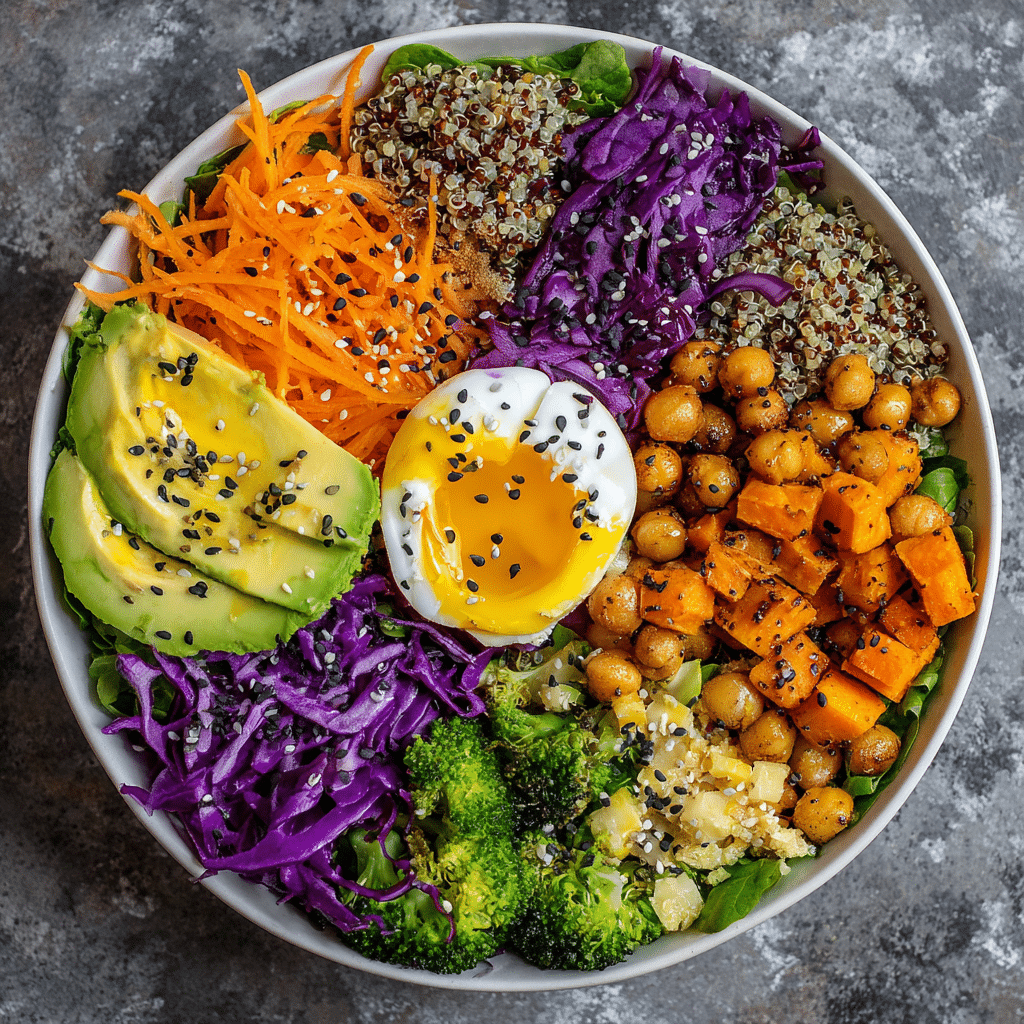
Buddha bowls—also called grain bowls, power bowls, or nourish bowls—are a vibrant, wholesome, and deeply satisfying way to eat. With their roots in plant-based eating, these bowls combine a variety of vegetables, grains, proteins, and sauces into a single dish that looks as good as it tastes. Whether you’re vegan, vegetarian, or simply trying to add more veggies to your routine, a Buddha bowl is an easy and creative way to enjoy a nutritious meal that never feels boring.
What Are Buddha Bowls?
Buddha bowls are a staple in health-forward kitchens. The name is believed to come from the idea of a “balanced” bowl—like the round belly of a laughing Buddha—filled to the brim with a harmonious mix of ingredients. Typically, they include a grain base, colorful raw or roasted vegetables, a protein (like tofu, chickpeas, or chicken), and a punchy sauce or dressing.
These bowls are popular not only because they’re nutrient-dense, but also because they’re easy to prep, customizable, and ideal for meal prep or weeknight dinners. You can assemble one using whatever leftovers you have on hand or craft a gourmet version with carefully selected components.
Ingredients Overview: Building the Perfect Bowl
Here’s a breakdown of each component and what role it plays in both taste and nutrition:
1. Grains (Base Layer)
-
Quinoa: A complete protein, high in fiber, and slightly nutty.
-
Brown Rice: Hearty and wholesome, with more fiber than white rice.
-
Farro or Barley: Offers a chewy texture and earthy flavor.
Why it matters: Grains are the foundation of a Buddha bowl. They provide sustained energy through complex carbohydrates and keep you feeling full.
2. Roasted & Raw Vegetables
-
Sweet Potatoes: Roasted until caramelized for sweetness and creaminess.
-
Broccoli or Cauliflower: Adds bulk and fiber.
-
Shredded Carrots, Red Cabbage, and Cucumbers: Offer crunch and color.
Why it matters: Vegetables create texture and variety. Roasting brings out natural sugars, while raw veggies keep the bowl crisp and refreshing.
3. Protein
-
Chickpeas (roasted or spiced): A plant-based favorite, rich in fiber and protein.
-
Tofu or Tempeh: Absorbs marinades well and adds density.
-
Grilled Chicken or Boiled Eggs: Optional for omnivorous diets.
Why it matters: Protein is crucial for muscle repair and satiety. In a meatless Buddha bowl, legumes or soy-based proteins do the heavy lifting.
4. Greens
-
Spinach, Kale, Arugula, or Mixed Greens: Add freshness and iron.
Why it matters: Leafy greens balance out the heaviness of grains and starches while packing in micronutrients like vitamin K, iron, and calcium.
5. Toppings
-
Avocado: Creamy texture and heart-healthy fats.
-
Nuts or Seeds (like pumpkin, sesame, or almonds): Add crunch and omega-3s.
-
Pickled onions or sauerkraut: Offer tang and aid digestion.
Why it matters: Toppings elevate both the visual appeal and nutritional balance. A mix of fats and textures keeps each bite exciting.
6. Sauce or Dressing
-
Tahini Sauce: Creamy and nutty.
-
Peanut Lime Dressing: Sweet, tangy, and savory.
-
Lemon-Garlic Yogurt Sauce: Adds zing and protein.
Why it matters: The sauce ties it all together—bringing moisture, flavor, and that crave-worthy element that makes you want to lick the bowl clean.
Step-by-Step: How to Make a Buddha Bowl
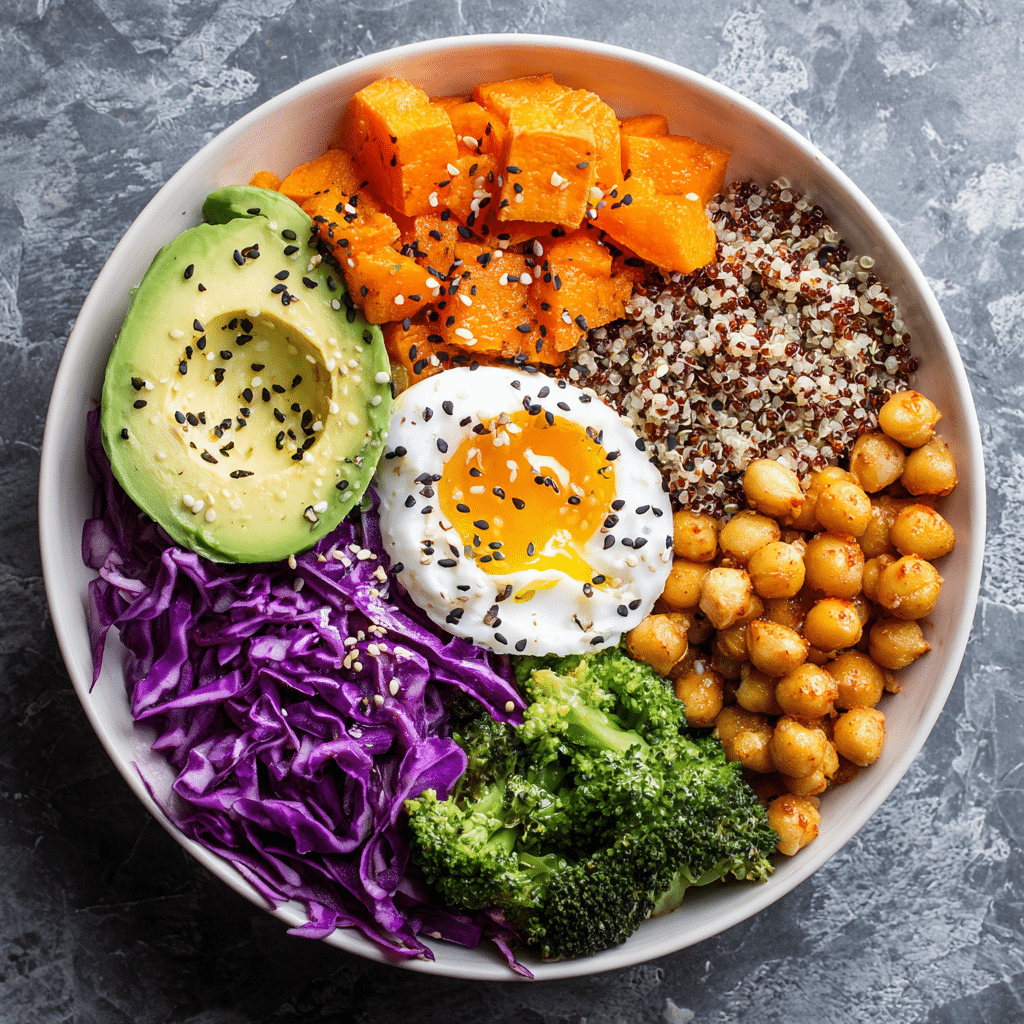
This is a general process you can adapt using your preferred ingredients.
1. Cook the Grain
Start by cooking your grain of choice according to the package instructions. Quinoa takes about 15 minutes; brown rice closer to 40. Season lightly with salt or a splash of vegetable broth for extra flavor.
2. Roast the Vegetables
-
Preheat your oven to 400°F (200°C).
-
Cube sweet potatoes and toss with olive oil, salt, cumin, and paprika.
-
Spread on a baking sheet and roast for 25–30 minutes, flipping halfway.
-
Optional: Add broccoli florets or cauliflower during the last 15 minutes.
Roasting develops a golden crust while softening the interior of the vegetables.
3. Prepare Protein
-
For chickpeas: Drain and rinse a can of chickpeas. Toss with olive oil, garlic powder, and smoked paprika, then roast at 400°F for 25 minutes.
-
For tofu: Press extra-firm tofu for 20 minutes, cube it, and sauté with soy sauce and sesame oil until crispy.
-
For eggs: Soft- or hard-boil for added richness.
4. Chop Fresh Vegetables
Thinly slice red cabbage, cucumbers, and radishes. Shred carrots or use pre-shredded. Massage kale with lemon juice and olive oil to make it more tender.
5. Mix or Prepare Sauce
A basic tahini dressing:
Whisk ¼ cup tahini, 1 tbsp lemon juice, 1 tsp maple syrup, 1 minced garlic clove, and 2–3 tbsp warm water until creamy.
Taste and adjust seasoning—add salt, pepper, or more lemon juice as needed.
6. Assemble the Bowl
-
Start with a handful of greens in each bowl.
-
Add a scoop of your cooked grain.
-
Layer on roasted and fresh vegetables.
-
Top with protein of choice.
-
Drizzle with sauce.
-
Garnish with avocado, seeds, or pickled veggies.
Tips, Variations, and Substitutions
Flavor Profiles from Around the World
-
Mexican-Inspired: Add black beans, grilled corn, pico de gallo, and chipotle dressing.
-
Asian-Inspired: Use soba noodles, edamame, sesame tofu, and ginger miso dressing.
-
Mediterranean: Include hummus, olives, tabbouleh, and lemon tahini sauce.
Dietary Substitutions
-
Gluten-Free: Use quinoa or rice; avoid soy sauce (sub tamari or coconut aminos).
-
Nut-Free: Skip nuts in dressings and use sunflower seeds or tahini.
-
High-Protein: Add a boiled egg or double the legumes.
Chef-Level Tips
-
Roast veggies in batches to prevent steaming.
-
Use leftovers creatively—roasted Brussels sprouts, grilled zucchini, or cooked lentils.
-
Double the sauce and store it for later—it’s great on sandwiches or as a dip.
Serving Ideas & Occasions
Buddha bowls are ideal for:
-
Weeknight dinners: Quick assembly if you prep in advance.
-
Lunch meal prep: Store components separately and build fresh.
-
Potlucks or family-style dinners: Let guests build their own.
-
Detox days or post-holiday reset: Light yet filling and easy on digestion.
You can also serve them warm or cold, depending on the season or preference. They’re especially popular during spring and summer, when fresh produce is at its peak.
Nutritional & Health Notes
Buddha bowls are naturally:
-
High in fiber: Thanks to vegetables, legumes, and whole grains.
-
Protein-rich: Especially when using quinoa, chickpeas, tofu, or eggs.
-
Low in processed ingredients: Focused on whole, nutrient-dense foods.
They’re a great way to:
-
Support digestive health with prebiotic fibers.
-
Balance blood sugar due to complex carbs and healthy fats.
-
Deliver antioxidants from colorful vegetables (beta-carotene, anthocyanins, vitamin C).
If you’re mindful of calories, use olive oil sparingly and measure toppings like nuts or avocado. Otherwise, they’re a guilt-free, nourishing option for any lifestyle.
FAQ: Buddha Bowls
1. Can I make Buddha bowls ahead of time?
Yes! Prep ingredients in bulk—grains, roasted veggies, and protein can all be refrigerated for 3–4 days. Store sauce separately and assemble bowls fresh to keep textures intact.
2. What is the best grain for Buddha bowls?
Quinoa is a top choice because it’s quick to cook and high in protein. Brown rice, bulgur, or even couscous work well depending on your desired texture and dietary preferences.
3. Are Buddha bowls served hot or cold?
Both! Some people enjoy them warm with freshly roasted veggies, while others prefer a cold, salad-style bowl. It depends on your mood, the season, and the ingredients used.
4. What kind of sauce goes best with a Buddha bowl?
Tahini-based dressings are classic, but peanut sauce, miso dressing, or yogurt-based sauces also work wonderfully. Choose a sauce that complements your chosen flavor profile.
5. How do I add more protein to a vegan Buddha bowl?
Try doubling up on legumes (chickpeas, lentils), adding tofu or tempeh, or sprinkling in hemp seeds. Quinoa also adds extra plant-based protein.
6. Can kids eat Buddha bowls?
Absolutely! Let them choose their favorite toppings. Use mild seasonings and fun ingredients like sweet corn or avocado slices to make it more kid-friendly.
7. What’s the difference between a Buddha bowl and a poke bowl?
Poke bowls typically feature raw fish and a Hawaiian influence, often with white rice and soy-based sauces. Buddha bowls are usually plant-based and can include a wider variety of cooked vegetables and grains.