
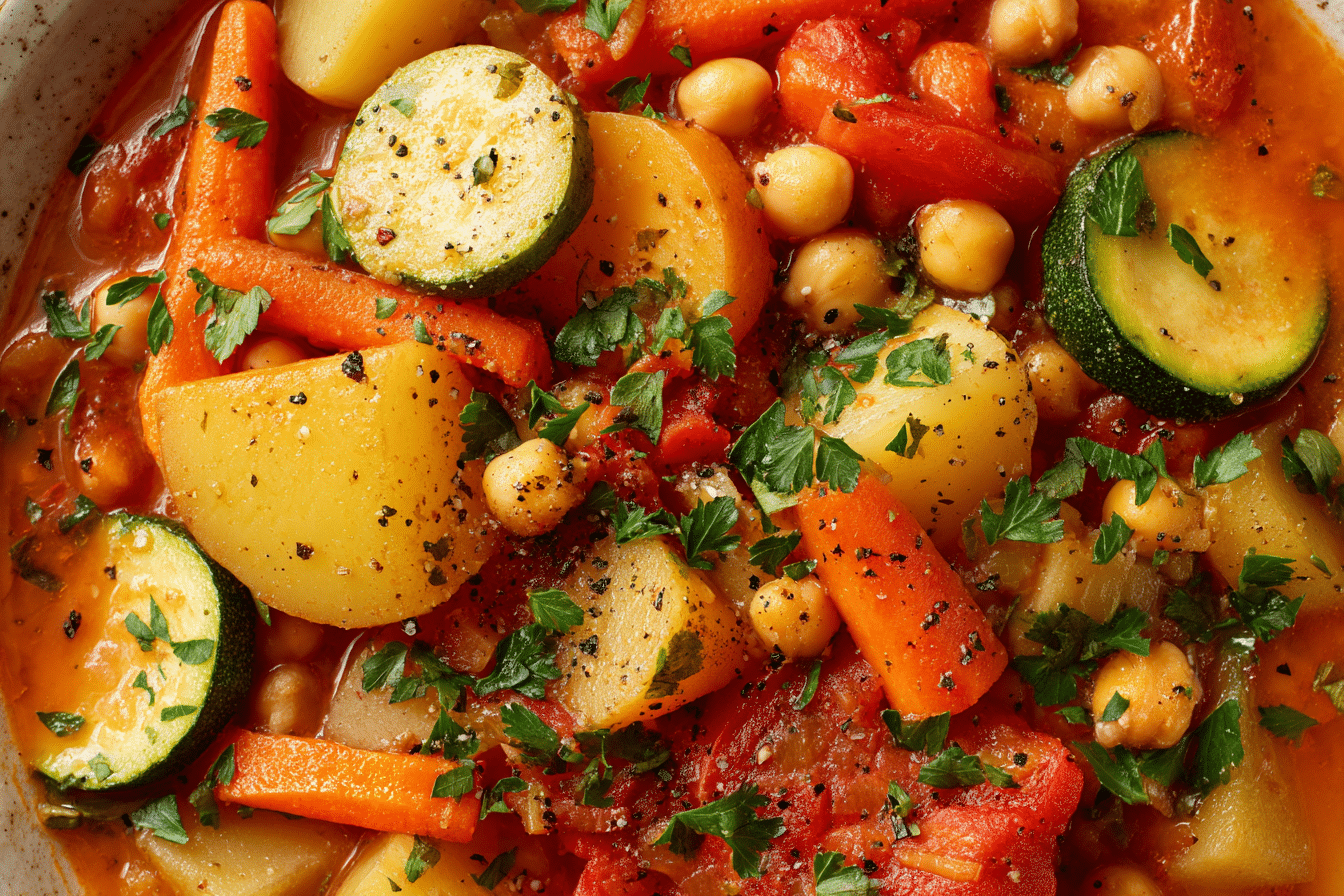
Greek Healing Soup, also known as Avgolemono, is a timeless Mediterranean dish loved for its velvety texture, bright lemony flavor, and nourishing ingredients. Rooted in Greek culinary tradition, this soup blends chicken broth, rice or orzo, and a creamy egg-lemon mixture that transforms simple pantry staples into a warm, comforting bowl of wellness.
Often served during recovery from illness, postpartum, or cold winter days, Greek Healing Soup is as much about flavor as it is about comfort. It’s light yet satisfying, zesty but soothing — a bowlful of gentle nutrition. Whether you’re feeling under the weather or simply want a cozy, wholesome meal, this ancient recipe still holds its healing reputation.
Ingredients Overview
Chicken Broth
A rich homemade or high-quality chicken stock forms the base of the soup. It’s full of collagen, electrolytes, and body-replenishing nutrients — key to its traditional healing role.
Tip: Use bone broth for a thicker, protein-packed version.
Cooked Chicken (Optional)
While not required in traditional Avgolemono, shredded chicken (from breast or thigh) turns this soup into a more filling, protein-rich main dish. It’s especially helpful when serving for recovery or immune support.
Shortcut: Use rotisserie chicken or poached breast for quick prep.
Rice or Orzo
Both are classic options. Rice gives a porridge-like texture when simmered longer, while orzo remains slightly chewy for more texture.
Alternatives:
-
Brown rice (for fiber)
-
Cauliflower rice (for low-carb)
-
Quinoa (for a modern, protein-rich variation)
Eggs
Eggs are the thickening agent and bring richness and creaminess without any dairy. Whisked and tempered carefully, they turn the broth silky and luxurious.
Note: The key is to avoid scrambling — always temper eggs gently with hot broth.
Lemon Juice
The soul of the soup. Freshly squeezed lemon adds brightness, cuts the richness of the egg, and provides vitamin C — perfect for immune support.
Olive Oil (Optional)
Some versions add a swirl of extra-virgin olive oil for flavor and anti-inflammatory benefits. Keep it light to preserve the soup’s delicacy.
Salt and Pepper
Use sea salt and freshly ground pepper to season in layers. Keep it subtle so the lemon and egg shine.
Garnishes (Optional)
-
Fresh dill or parsley for brightness
-
Lemon zest for extra citrus aroma
-
Cracked black pepper or red pepper flakes for a touch of heat
Step-by-Step Instructions
-
Cook the Rice or Orzo
In a large pot, bring the chicken broth to a boil. Add ½ cup of rice or orzo and simmer uncovered until tender — about 15–18 minutes for orzo, or 20–25 minutes for white rice. Stir occasionally.
If using pre-cooked rice or orzo, reduce the simmer time and add just before the eggs are tempered.
-
Prepare the Egg-Lemon Mixture
In a medium bowl, whisk together 2–3 large eggs and the juice of 1–2 lemons (about ¼ cup). Whisk until smooth and pale yellow. The mixture should be airy and creamy.
-
Temper the Eggs
This is the most delicate step. Slowly ladle 1 cup of hot broth (not boiling) into the egg-lemon mixture, whisking constantly. This warms the eggs gradually and prevents curdling.
Once tempered, slowly pour the egg mixture back into the soup, stirring continuously.
-
Finish and Gently Heat
Reduce heat to low. Stir the soup gently for 2–3 minutes until thickened slightly. Do not boil after adding the eggs — it can cause separation.
Add cooked chicken at this stage if using, and let it warm through.
-
Season and Serve
Taste and adjust salt, pepper, and lemon juice if needed. Ladle into bowls and top with fresh dill, parsley, or a drizzle of olive oil if desired.
Tips, Variations & Substitutions
-
Don’t Skip Tempering: Always temper the egg mixture slowly to avoid curdling. Whisk constantly and avoid high heat once the eggs are added.
-
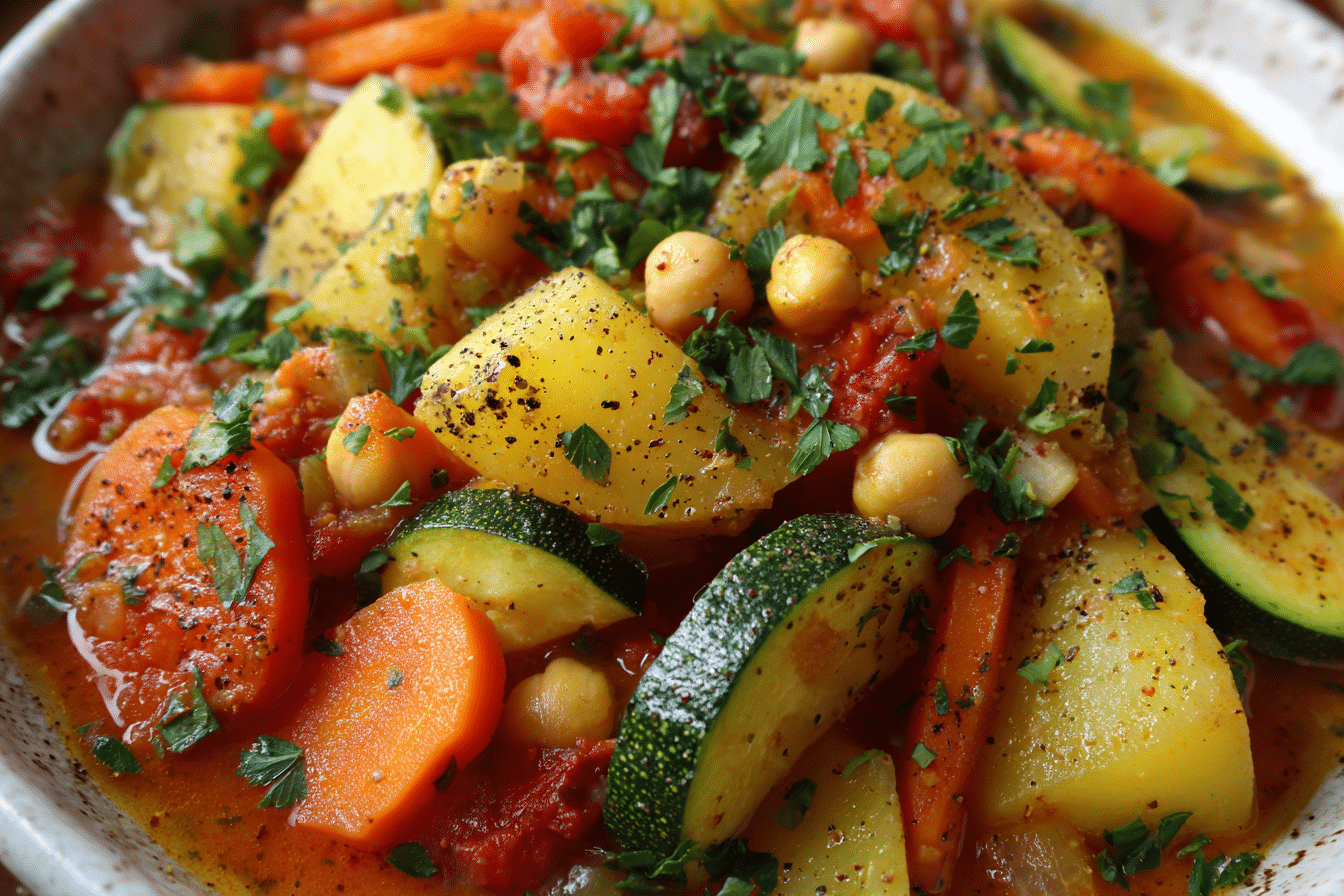
Make It Vegetarian: Use vegetable broth and skip the chicken for a lighter, plant-based version. Stir in chickpeas or white beans for protein.
-
Low-Carb Option: Substitute the rice with riced cauliflower or chopped zucchini for a lighter version.
-
Egg-Free Variation: While not traditional, you can create a creamy soup with blended white beans and lemon if avoiding eggs.
-
Extra Creamy: Add one more egg yolk or reduce the broth slightly for a thicker result.
-
Add Greens: Stir in spinach, kale, or Swiss chard at the end for added nutrients and color.
Serving Ideas & Occasions
Greek Healing Soup is best enjoyed warm and freshly made. It’s traditionally served:
-
During cold or flu recovery
-
As a light dinner or first course
-
After fasting periods or light detox days
-
Postpartum or after medical treatments
Pair it with:
-
Crusty sourdough or toasted pita
-
A Greek salad with olives and cucumber
-
A side of steamed vegetables or grilled lemon chicken
Its bright, citrusy flavor makes it an ideal spring or winter soup — refreshing yet comforting.
Nutritional & Health Notes
Avgolemono is a nutrient-dense, light soup with excellent health benefits:
-
High in protein (especially with added chicken)
-
Loaded with vitamin C from fresh lemon juice
-
Rich in electrolytes from broth — helps with hydration
-
Naturally gluten-free (if made with rice)
-
Balanced fat from eggs and optional olive oil
This soup supports digestion, hydration, and immune function, making it a go-to during recovery periods or after travel. Portion-controlled, it fits well into clean eating or Mediterranean diets.
FAQs
Q1: Why did my Avgolemono soup curdle?
This happens if the egg mixture is added too quickly or the soup is too hot. Always temper eggs with warm broth slowly, and never boil the soup after adding them.
Q2: Can I make Greek Healing Soup ahead of time?
Yes, but don’t add the egg-lemon mixture until just before serving. Reheat the broth and rice, then add freshly tempered eggs to avoid separation.
Q3: Is it safe to eat raw eggs in this soup?
The eggs are gently cooked during the tempering process. As long as you temper properly and use fresh eggs, it’s safe.
Q4: What kind of rice is best for this soup?
Short or medium-grain white rice gives a creamy consistency. Long-grain rice works too, but will have a lighter texture. Brown rice takes longer to cook and may change the flavor.
Q5: Can I freeze Avgolemono soup?
Freezing is not recommended once the egg is added — the texture often becomes grainy. If you need to freeze, do so before adding the egg-lemon mixture.
Q6: Can I use lemon concentrate instead of fresh lemon?
Fresh lemon juice is best. Concentrate lacks the brightness and natural acidity that balances the richness of the eggs and broth.
Q7: How do I thicken my Avgolemono without more eggs?
Let the soup sit for a few minutes off the heat — it will thicken slightly on its own. You can also blend a small portion of rice and broth and stir it back in.