
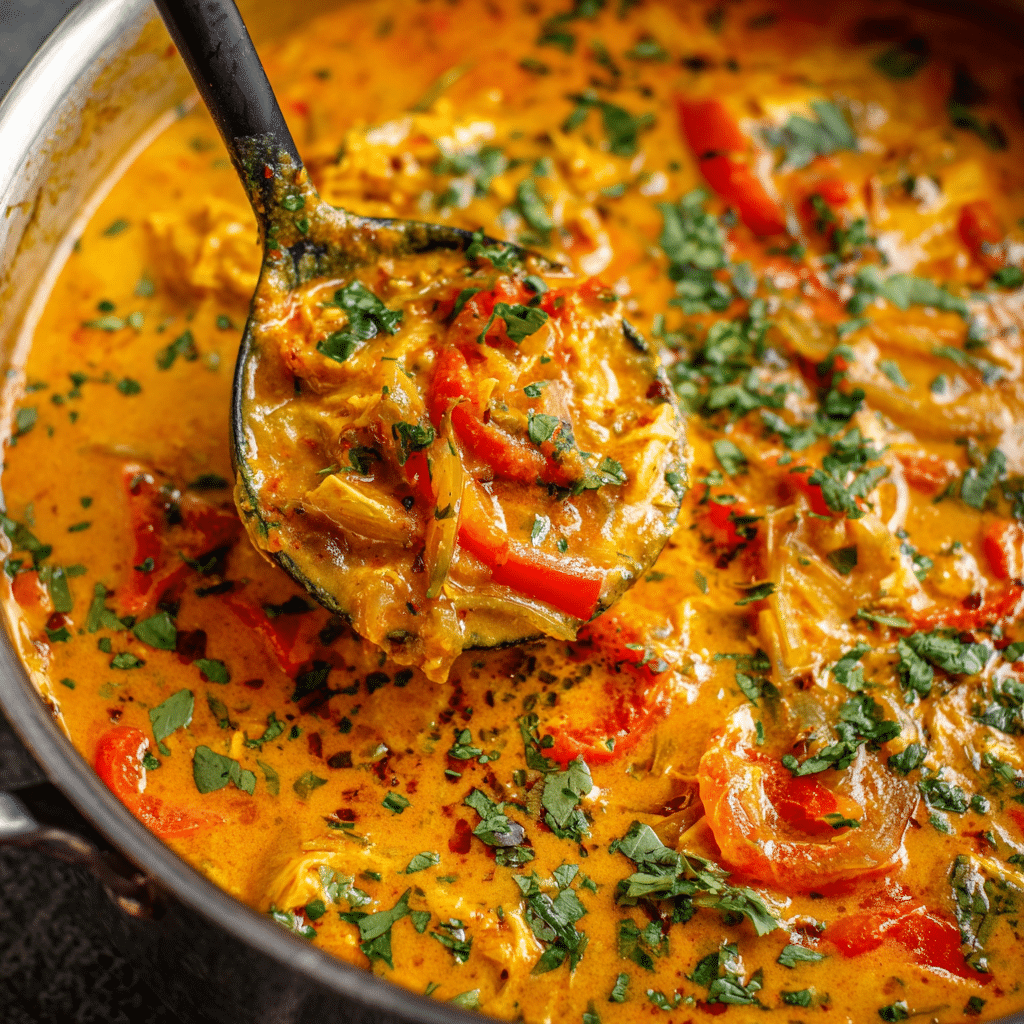
Warm, comforting, and boldly aromatic, this Easy Thai Red Curry is a quick weeknight favorite that brings restaurant-quality flavor to your kitchen in under 30 minutes. Made with creamy coconut milk, Thai red curry paste, and your choice of vegetables or protein, it’s rich, satisfying, and deeply flavorful without being overly complicated.
What makes this curry so irresistible is its beautiful balance—sweet, spicy, salty, and tangy flavors meld together in a silky sauce that clings to every bite. Whether you keep it simple with just veggies or add shrimp, chicken, or tofu, this versatile dish is endlessly customizable and always hits the spot.
Perfect for beginners and experienced cooks alike, this is the kind of recipe you’ll return to again and again.
Ingredients Overview
This Thai red curry is all about bold flavors and creamy textures. Here’s a breakdown of the key ingredients and how to modify them based on what you have.
Main Ingredients:
-
Thai red curry paste: The flavor base. Look for a quality brand like Mae Ploy or Thai Kitchen. Spicy, savory, and aromatic.
-
Coconut milk: Full-fat canned coconut milk gives the curry its luxurious texture and mellow sweetness.
-
Protein of choice: Chicken, tofu, shrimp, or chickpeas all work beautifully.
-
Vegetables: Bell peppers, zucchini, carrots, snow peas, and baby spinach are all great choices.
-
Onion & garlic: For added savory depth.
-
Ginger or lemongrass (optional): Adds brightness and a citrusy note.
Flavor Enhancers:
-
Fish sauce or soy sauce: For umami and saltiness.
-
Brown sugar: Balances heat and enhances natural sweetness.
-
Lime juice: Adds acidity and freshness at the end.
-
Fresh Thai basil or cilantro: Optional for garnish and herbaceous finish.
Ingredient Tips:
-
Coconut milk: Use full-fat for best results. “Lite” versions may curdle or feel watery.
-
Curry paste: Heat levels vary by brand. Start with less and add to taste.
-
Vegan version: Use tofu or chickpeas, and swap fish sauce for soy sauce or coconut aminos.
Step-by-Step Instructions
1. Prep Your Ingredients
-
Slice 1 onion
-
Mince 2 cloves garlic
-
Chop your vegetables: 1 bell pepper, 1 zucchini, 1 carrot
-
Cube your protein: 1 lb chicken breast, pressed tofu, or peeled shrimp
2. Sauté the Aromatics
Ingredients:
-
1 tbsp coconut oil or neutral oil
-
2 cloves garlic, minced
-
1 tsp fresh ginger, grated (optional)
-
1–2 tbsp red curry paste
Instructions:
-
Heat oil in a large skillet or saucepan over medium heat.
-
Add garlic and ginger; sauté 30 seconds until fragrant.
-
Stir in red curry paste and cook for 1 minute to activate the spices.
3. Build the Curry Base
Ingredients:
-
1 can (14 oz) full-fat coconut milk
-
1 tbsp fish sauce or soy sauce
-
1 tsp brown sugar
Instructions:
-
Slowly pour in coconut milk, scraping up bits from the pan.
-
Stir in fish sauce and sugar.
-
Let it simmer for 2–3 minutes to thicken slightly.
4. Add Protein and Vegetables
Instructions:
-
Add chicken, tofu, or shrimp to the simmering curry.
-
Add firmer vegetables like carrots and bell peppers first. Simmer 5–7 minutes.
-
Add quicker-cooking veggies like zucchini, snow peas, or spinach last. Cook another 3–5 minutes until just tender.
-
Taste and adjust with more curry paste, sugar, or soy sauce as needed.
5. Finish and Serve
Final touches:
-
Juice of ½ lime
-
Fresh Thai basil or cilantro
-
Optional: sliced red chilies for heat
Serve hot over jasmine rice, coconut rice, or rice noodles. Garnish with herbs and lime wedges.
Tips, Variations & Substitutions
-
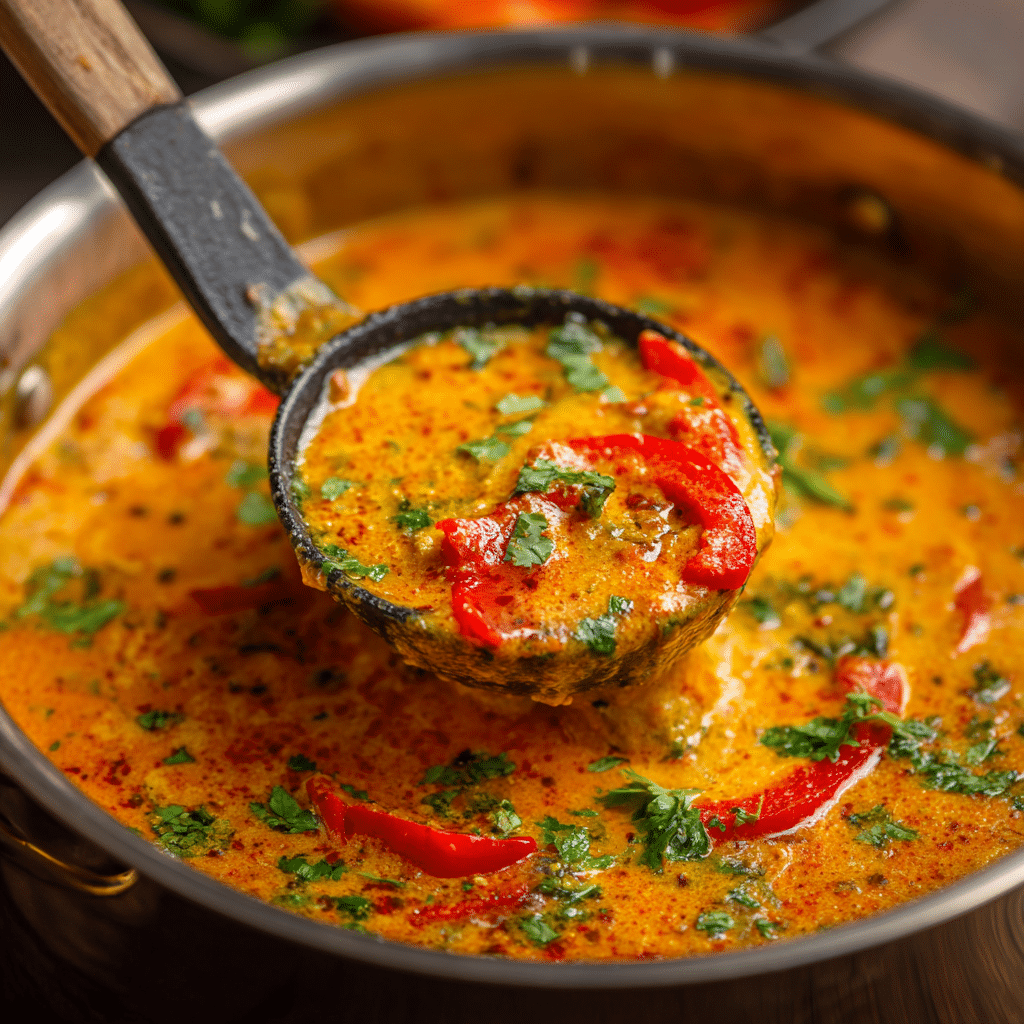
Make it milder: Use just 1 tbsp curry paste and add extra coconut milk to mellow it out.
-
Make it spicy: Add fresh Thai chilies, chili oil, or extra paste.
-
Protein swaps: Use leftover rotisserie chicken, crispy tofu, or cooked lentils.
-
Vegetable ideas: Try eggplant, green beans, mushrooms, or kale.
-
Add crunch: Top with crushed peanuts or crispy shallots.
For even more richness, stir in a spoonful of peanut butter during the simmer for a Thai-inspired twist.
Serving Ideas & Occasions
-
Serve over: Steamed jasmine rice, brown rice, rice noodles, or cauliflower rice.
-
With sides: Thai cucumber salad, spring rolls, or papaya salad.
-
Occasions:
-
Quick weeknight dinners
-
Vegan or vegetarian meals
-
Impressing guests with global flavors
-
Leftover-friendly lunches
-
This dish is equally great served hot from the pan or reheated for meal prep. The flavors deepen overnight!
Nutritional & Health Notes
Thai red curry can be balanced and nourishing:
-
Coconut milk provides healthy fats and a creamy texture.
-
Using lean proteins like chicken breast or tofu keeps it light yet filling.
-
Colorful vegetables add fiber, antioxidants, and vitamins.
Approximate nutrition per serving (with chicken and vegetables):
-
Calories: ~400–450
-
Protein: 25–30g
-
Carbs: 15–20g
-
Fat: 25g (mostly from coconut milk)
To reduce fat, use half coconut milk and half broth or use a lighter coconut milk brand.
FAQs
Q1: Can I use green or yellow curry paste instead?
Yes! The method stays the same, though green curry is usually spicier and more herbal, while yellow is milder and slightly sweet.
Q2: How do I make it vegan?
Use tofu or chickpeas, and swap fish sauce with soy sauce or coconut aminos. Skip any animal-based toppings.
Q3: Can I freeze Thai red curry?
Yes. Let it cool completely and store in airtight containers for up to 2 months. Reheat gently and stir well—coconut milk may separate slightly but will recombine.
Q4: Is Thai curry spicy?
It can be! Red curry paste is medium heat. Use less if sensitive, and taste as you go.
Q5: What rice pairs best with it?
Jasmine rice is classic, but coconut rice or brown rice adds extra flavor and fiber.
Q6: Can I make it without coconut milk?
You can substitute cashew cream, oat cream, or a blend of broth and dairy-free cream alternatives, but the flavor and richness will differ.
Q7: How long does it last in the fridge?
It keeps well for up to 4 days. Store in airtight containers and reheat gently on the stovetop or microwave.