
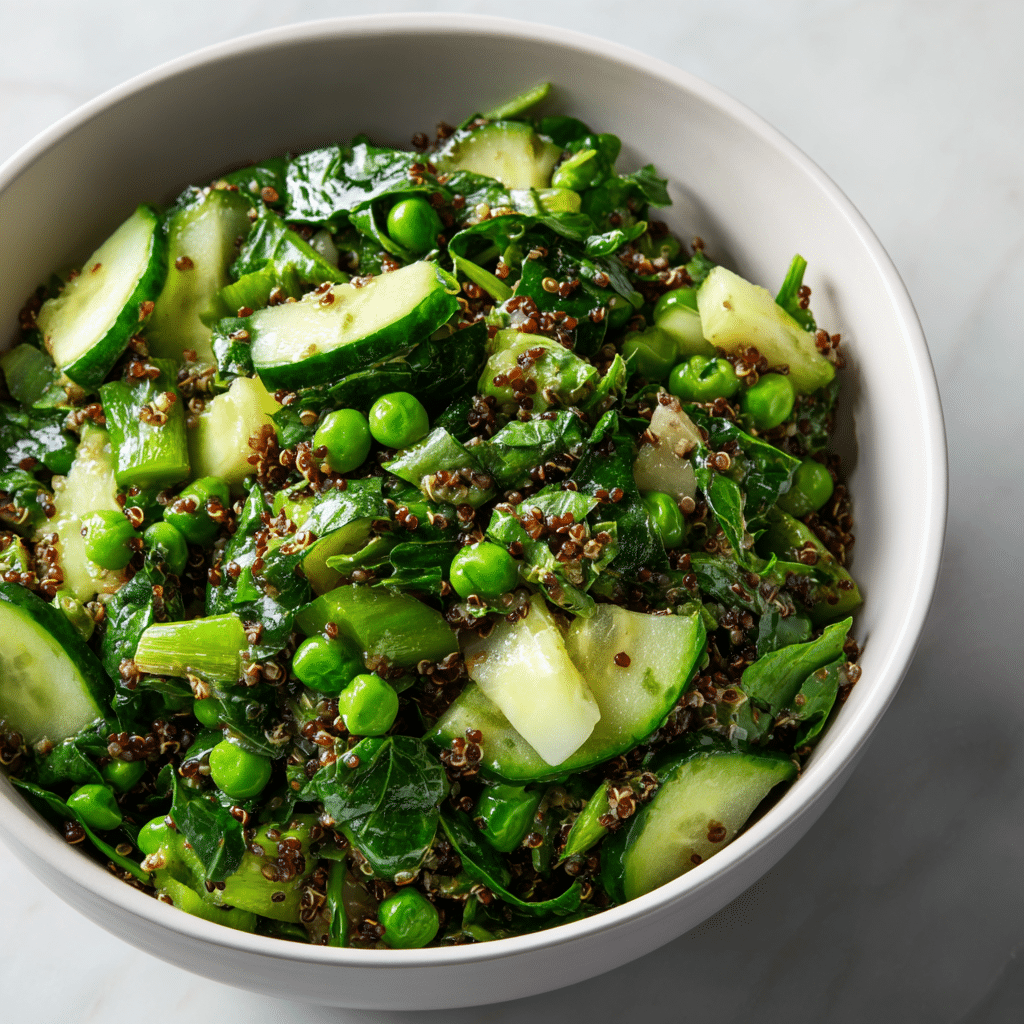
This Salad with Asian Dressing is a bright, crunchy, and refreshing bowl full of color, texture, and bold flavor. The star of the show is the homemade Asian-style dressing, made with sesame oil, rice vinegar, soy sauce, and a touch of honey or maple syrup—creating a perfect balance of sweet, savory, tangy, and nutty.
You can customize the salad with your favorite mix of greens and veggies, and even add protein like grilled chicken, tofu, or shrimp to turn it into a main course. Whether you serve it as a side dish or light lunch, this salad delivers restaurant-quality flavor with everyday ingredients.
It’s fast, flexible, and guaranteed to brighten up your table any day of the week.
Ingredients Overview: What Makes This Salad So Good
Each ingredient plays a role in building the vibrant flavor and satisfying texture of this Asian-inspired salad. Here’s a closer look:
Salad Base
-
Napa cabbage or green cabbage: Light and crunchy, this is a classic in Asian slaw and salad recipes. It holds up well to dressing.
-
Romaine lettuce or mixed greens: Adds body and a different kind of crispness to contrast with the cabbage.
-
Shredded carrots: For color, sweetness, and crunch.
-
Red bell pepper: Sweet and vibrant, it also adds beautiful contrast.
-
Cucumber: Cooling and hydrating, balances out the punchy dressing.
-
Green onions: Mild onion flavor and freshness.
-
Cilantro: Optional, but adds herbaceous brightness.
Crunchy Toppings
-
Toasted almonds or cashews: Adds protein, crunch, and richness.
-
Crispy wonton strips or chow mein noodles: For texture and fun.
-
Sesame seeds: Boosts the nuttiness of the dressing and looks beautiful as a garnish.
Asian-Style Dressing
-
Rice vinegar: Light, mildly sweet acidity that forms the base.
-
Soy sauce or tamari: Salty, umami-rich element that ties everything together.
-
Toasted sesame oil: Deep, nutty aroma and flavor—use sparingly.
-
Honey or maple syrup: Balances the acidity with natural sweetness.
-
Ginger & garlic: Adds bold, aromatic depth.
-
Neutral oil (grapeseed, avocado, or canola): Helps emulsify the dressing.
Optional: A splash of lime juice or a tiny bit of chili oil for a kick.
Step-by-Step Instructions: How to Make Salad with Asian Dressing
1. Make the Dressing
In a jar or bowl, whisk together:
-
3 tbsp rice vinegar
-
1 tbsp soy sauce or tamari
-
1½ tbsp toasted sesame oil
-
1 tbsp honey or maple syrup
-
1 clove garlic, minced
-
1 tsp fresh ginger, grated
-
2 tbsp neutral oil
-
Optional: 1 tsp lime juice or ½ tsp chili oil
Whisk until fully combined. Taste and adjust—add more vinegar for tang, more sweetener for balance, or extra soy sauce if needed.
Tip: You can make the dressing 2–3 days ahead and store it in the fridge.
2. Prepare the Vegetables
Thinly slice or shred:
-
2 cups Napa or green cabbage
-
2 cups romaine lettuce or mixed greens
-
1 cup shredded carrots
-
½ red bell pepper, thinly sliced
-
½ cucumber, thinly sliced into half-moons
-
2 green onions, finely chopped
-
¼ cup chopped cilantro (optional)
Use a sharp knife or mandolin for evenly sliced veggies.
3. Toast the Nuts and Seeds
In a dry skillet over medium heat:
-
Toast ¼ cup sliced almonds or chopped cashews for 2–3 minutes, stirring often until golden and fragrant.
-
Toast 1 tbsp sesame seeds in the same pan if using.
Let cool before adding to the salad.
4. Assemble the Salad
In a large salad bowl:
-
Toss together all the vegetables.
-
Drizzle about half of the dressing and toss to coat evenly.
-
Add toasted nuts, sesame seeds, and optional wonton strips or crispy noodles.
-
Taste and add more dressing as needed.
Serve immediately for best texture and flavor.
Tips, Variations, and Substitutions
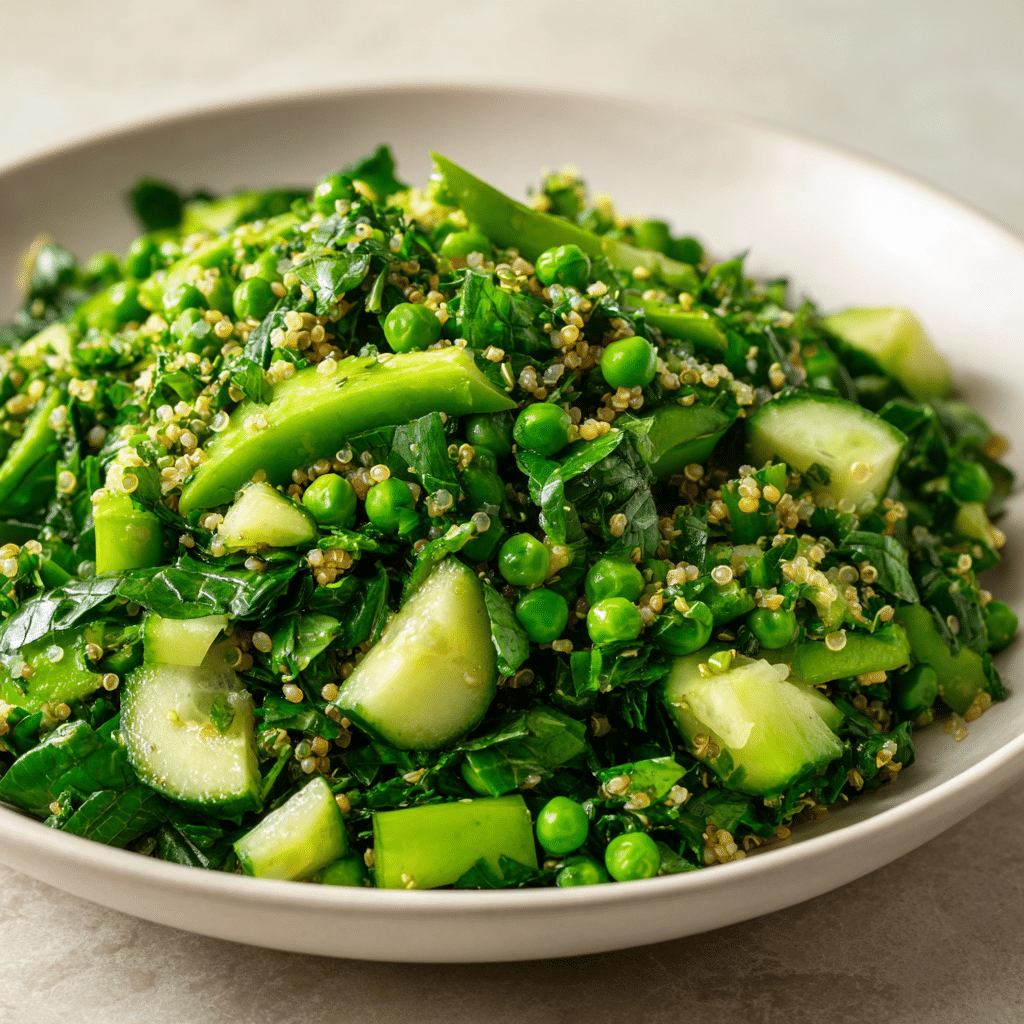
Tips for Best Results
-
Dress just before serving: This keeps the cabbage and greens crisp.
-
Double the dressing: It keeps well in the fridge and works on noodles, rice bowls, or grilled meats.
-
Cut vegetables evenly: Uniform slices ensure a balanced bite and beautiful presentation.
Variations
-
Add protein: Grilled chicken, shrimp, tofu, or edamame turn this salad into a full meal.
-
Fruit twist: Add mandarin orange segments or sliced mango for a tropical touch.
-
Noodle version: Swap the greens for cold soba noodles or ramen for an Asian noodle salad.
Substitutions
-
Vegan? Use maple syrup instead of honey and tamari for a plant-based, gluten-free dressing.
-
Nut-free? Use sunflower seeds or skip the nuts and increase crispy wontons for crunch.
-
Low-sodium? Use low-sodium soy sauce and reduce added salt.
Serving Ideas & Occasions
This salad works beautifully as:
-
A light lunch: Add tofu, grilled chicken, or hard-boiled eggs for protein.
-
Dinner side dish: Great alongside dumplings, stir-fried noodles, or teriyaki salmon.
-
Potluck hero: It stays crisp longer than leafy green salads, making it ideal for sharing.
-
Meal prep: Store veggies and dressing separately. Toss just before serving.
Perfect for:
-
Spring and summer cookouts
-
Asian-inspired dinner nights
-
Packed lunches
-
Casual dinner parties
Nutritional & Health Notes
This Asian salad is packed with:
-
Fiber from cabbage, lettuce, and carrots
-
Healthy fats from sesame oil and nuts
-
Antioxidants from bell peppers and cucumber
-
Low in sugar when dressing is balanced with honey or maple syrup
Per serving (approx., without added protein):
-
180–220 calories
-
4–6g protein
-
10–14g fat (mostly from sesame oil and nuts)
-
18–22g carbohydrates
Add grilled protein or edamame for a boost without sacrificing balance. It’s a refreshing, nutrient-rich choice with flexibility to fit many dietary styles.
FAQ: Salad with Asian Dressing
1. Can I make the dressing ahead of time?
Yes. The dressing keeps for up to 5 days in the refrigerator in a sealed jar. Shake well before using.
2. What’s the best type of vinegar to use?
Rice vinegar is traditional and mild. If unavailable, apple cider vinegar can work, but reduce the amount slightly and adjust sweetness.
3. Can I make this salad gluten-free?
Absolutely. Use tamari or coconut aminos instead of soy sauce, and make sure crispy toppings are gluten-free.
4. How do I keep the salad from getting soggy?
Toss the salad with dressing just before serving. If meal-prepping, keep the dressing in a separate container until ready to eat.
5. Can I add noodles to this salad?
Yes—cooked and cooled soba noodles or thin rice noodles are a great way to turn it into a cold noodle salad.
6. Is this salad spicy?
Not by default. You can add chili oil, sriracha, or red pepper flakes to the dressing if you want a spicy version.
7. What protein pairs best with this salad?
Grilled chicken, shrimp, crispy tofu, seared steak, or even roasted salmon work well. Edamame is a great plant-based option.